🧹 How to Declutter Without Overwhelm: A Step-by-Step Zen Approach
8/1/20262 min read
Decluttering doesn’t have to be exhausting or emotional. When approached with intention, it can become a grounding practice—one that creates space not just in your home, but in your mind as well.
This step-by-step Zen approach focuses on simplicity, patience, and progress without pressure.
Step 1: Start Small and Stay Present
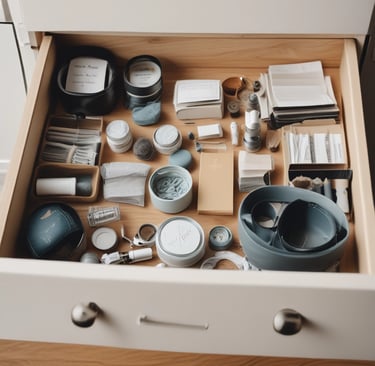
One of the biggest reasons decluttering feels overwhelming is trying to do too much at once. Instead of tackling an entire room, begin with a single drawer, shelf, or surface.
Set a short amount of time and give yourself permission to stop when it ends. Small, focused efforts build momentum while keeping stress low.

Step 2: Create Gentle Sorting Categories
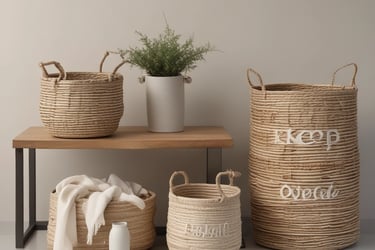
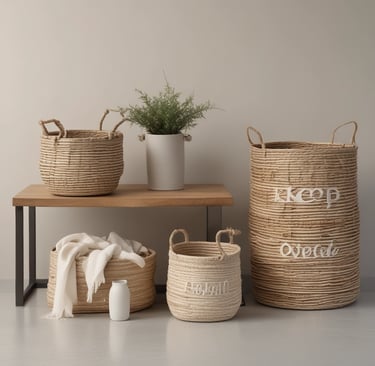
As you declutter, sort items into simple groups: keep, donate, and discard. Using separate bins or baskets for each category helps contain the process and prevents visual chaos.
Clear or labeled containers can make decisions feel easier and less emotionally charged.
Step 3: Ask One Simple Question
Instead of overthinking every item, return to one grounding question:
"Does this support the way I want to live now?"
This gentle filter removes guilt and focuses on intention. Items that no longer align with your current life can be released with appreciation rather than frustration.


Step 4: Declutter Before Buying Storage
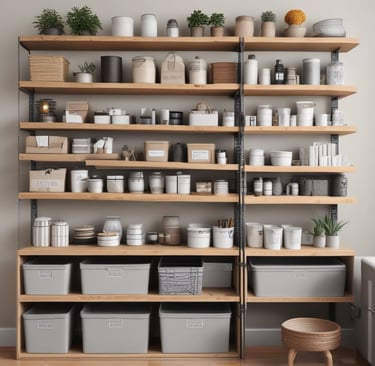
It’s tempting to purchase storage solutions early, but clarity comes from letting go first. Once you’ve decluttered, you’ll know exactly what kind of storage is truly needed—and what isn’t.
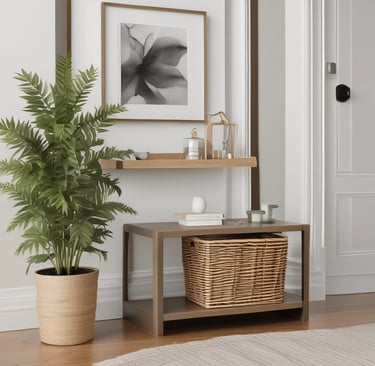
When adding organizers, choose options that feel simple, neutral, and easy to maintain.

Step 5: Create a “Calm Reset” Habit
Decluttering is not a one-time event. A short weekly reset—just five or ten minutes—helps keep clutter from quietly returning.
Think of this practice as maintenance for your peace, not another task on your to-do list.

Conclusion
Decluttering doesn’t require perfection or urgency. When approached slowly and with intention, it becomes an act of care—one that supports clarity, ease, and calm over time.
Begin where you are. Choose one small space. Let simplicity guide the rest.